









About

Team

Verne team comes from X companies

No items found.

Leadership Team

Advisors

History

The Verne Story

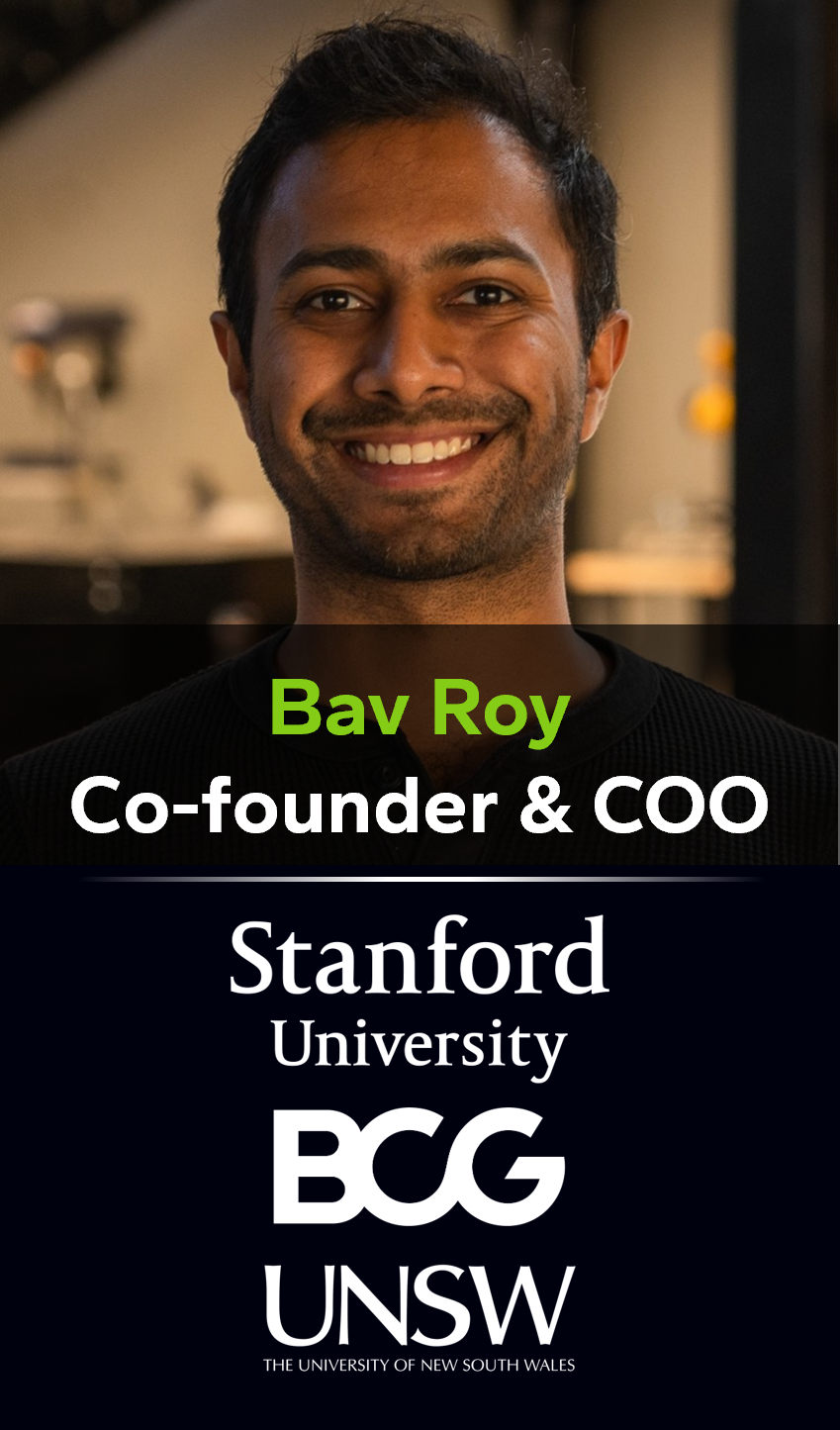
The Verne co-founders, Ted, David, and Bav, founded Verne to develop higher-density, more efficient hydrogen storage for Class 8 hydrogen trucks.

Verne set records for hydrogen storage and  conducting on-vehicle demonstrations with two major vehicle OEMs.

However, demand for power access from critical industries became too large to ignore. Growth in data centers, electric vehicle fleets and other critical industries is being held back by lack of power access.

In 2024, Verne pivoted our focus to providing power in off-grid locations using efficient, low-carbon fuels. Verne delivers energy where it is needed, when it is needed to keep these critical industries running.

Verne team comes from X companies

No items found.

Bringing innovation to scale

Recent Press

Cleantech Group

Verne recognized as a leading Energy & Power innovator on the GlobalCleantech100

January 2026

Verne is proud to be recognized as one of the top 100 innovators on the GlobalCleantech100!


Verne was recognized under the Energy & Power group for our work developing on-site power and cooling solutions that meet the speed, efficiency, reliability and sustainability needs of the data center industry.

Read more and access the full report: https://cleantech.com/the-global-cleantech-100/

Rocket Fund

Verne receives Caltech Rocket Fund award

July 2021

In exciting news Verne has received the 2021 California Institute of Technology (Caltech) Rocket Fund award! The funds will support an on-road demonstration project for Verne's proprietary high-density hydrogen storage system.

Thank you to the Rocket Fund team for their support, including Stephanie Yanchinski.

Congratulations also to the 6 other winners: Aeroshield Materials, Brimstone Energy, Induction Food Systems, NeoCharge, RePurpose Energy and Sensible Storage.

Washington Examiner

Biden administration & industry see hydrogen as the 'Swiss Army knife' for deep decarbonization

April 2021

Increasingly industry and government are investing in hydrogen technology as a pathway to decarbonizing some of the hardest-to-abate sectors, including heavy-duty trucking, marine shipping, and industrial manufacturing.

This month President Joe Biden proposed funding for 15 “decarbonized hydrogen demonstration projects” as part of his $2.3 trillion infrastructure plan. USA joins a growing number of countries that are investing heavily in a hydrogen economy.

MIT

Verne's 1st birthday and some great news

April 2021

Yesterday was Verne's first birthday and it coincided with some great news that we'd like to share...

We're so humbled to announce we won the MIT ClimateTech and Energy Prize!

Thank you to the MIT CEP organizers, sponsors, judges and other Finalist teams who are each making major strides towards combating climate change. The prize money will enable us to carry out our first demonstration projects.

As we end the first year of our climate journey, we'd like to take a moment to thank everyone around us that has supported us:

  • our family and friends who have been so patient with us when we've had hydrogen on our minds
  • our mentors who have been so generous with their time and advice and are always looking for new opportunities for us

It will truly take a village to decarbonize transportation, and we're grateful to the Verne community for supporting our progress.

Thank you

Shell Global

Decarbonization a top 3 priority for road freight industry

February 2021

New Shell report on Decarbonizing Road Freight finds that 70% of road freight participants see decarbonization as a top-3 priority, with OEMs the most-concerned (more info on page 54).

27M heavy duty trucks are responsible for 3.7% of global GHG emissions, or 41% of road freight emissions (page 19).

Hydrogen fuel cell vehicles are the only feasible option for long haul heavy duty trucks (page 62).

Tom Kat Center

Verne receives Stanford TomKat Center grant to build heavy duty prototype

January 2021

The Verne team has received an Innovation Transfer Grant from Stanford's TomKat Center for Sustainable Energy. The grant will be used to build Verne's first full-size prototype of a high-density hydrogen tank suitable for fuel cell heavy duty trucks. The prototype will be used to validate Verne's performance and cost estimates.

The team would like to thank Brian Bartholomeusz, Arun Majumdar and the wider Stanford Energy network for their support for Verne's decarbonization journey.

Transport Topics

New Toyota Fuel Cell System Close to Being Available to Class 8 Makers

December 2020

Toyota Motor Corp. unveiled a second-generation fuel cell system that is nearing the point when it could be offered to heavy-duty truck builders looking to build hydrogen-powered tractors. System is intended to be compatible with the Kenworth T680 chassis, a chassis built by Hino and potentially equipment from other manufacturers.

Insights

10 Great Examples of Responsive Websites

7.31.2023

14 Common Misconceptions About Web Design

7.31.2023

10 Quick Tips About Blogging

7.31.2023

20 Myths About Web Design

7.31.2023

Designers Who Changed the Web

7.31.2023